Choosing the Perfect Meat Seasonings
- Reweti Montgomery
- Oct 13, 2025
- 4 min read

When it comes to cooking meat, seasoning plays a crucial role in enhancing flavour and creating a memorable meal. The right combination of herbs, spices, and salts can transform a simple cut of meat into a delicious dish that excites the palate. However, choosing the perfect seasoning can be overwhelming with so many options available. This guide will help you navigate the world of meat seasonings with practical advice and expert tips to elevate your cooking.
Understanding the Basics of Meat Seasoning
Seasoning meat is more than just sprinkling salt and pepper. It involves balancing flavours to complement the natural taste of the meat. Different types of meat require different seasoning approaches to bring out their best qualities.
Salt is essential as it enhances the meat’s natural flavour and helps retain moisture.
Pepper adds a mild heat and depth.
Herbs and spices introduce complexity and aroma.
When seasoning, consider the cut of meat, cooking method, and desired flavour profile. For example, a robust steak can handle bold spices, while delicate fish benefits from lighter herbs.
Tips for Applying Seasoning
Season early: Apply seasoning at least 30 minutes before cooking to allow the flavours to penetrate.
Use a dry rub or marinade: Dry rubs create a crust, while marinades tenderise and infuse flavour.
Don’t overdo it: Start with a small amount and adjust to taste.
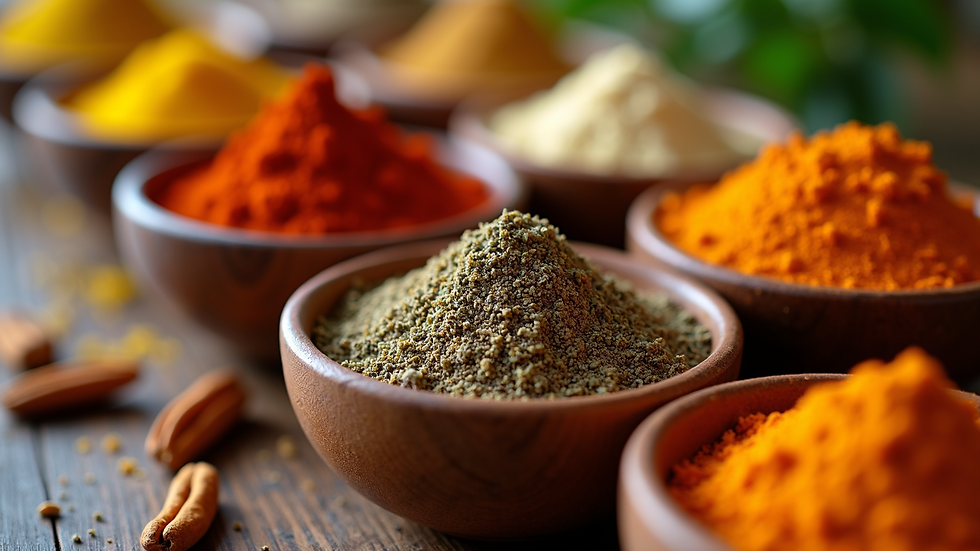
Best Meat Seasoning Tips for Every Cook
Mastering meat seasoning is about understanding how to balance flavours and textures. Here are some of the best meat seasoning tips to help you get started:
Match seasoning to meat type: Use stronger spices like smoked paprika or cumin for beef and lamb. For chicken and pork, try milder herbs like thyme, rosemary, or sage.
Layer your flavours: Combine salt, pepper, herbs, and spices for a well-rounded taste.
Use fresh herbs when possible: Fresh herbs provide a brighter flavour than dried ones.
Experiment with acidity: Adding lemon juice, vinegar, or wine can brighten the dish and tenderise the meat.
Consider regional flavours: Explore seasonings inspired by different cuisines, such as Cajun, Mediterranean, or Asian blends.
These tips will help you create delicious meals that suit your taste and impress your guests.

What are good spices for meat?
Choosing the right spices can make all the difference in your meat dishes. Here are some popular spices that work well with various types of meat:
Paprika: Adds a sweet, smoky flavour, perfect for beef and pork.
Cumin: Earthy and warm, great for lamb and beef.
Garlic powder: Enhances almost any meat with a rich, savory taste.
Chili powder: Adds heat and depth, ideal for grilling.
Black pepper: A classic spice that pairs well with all meats.
Rosemary: Piney and aromatic, excellent with lamb and chicken.
Thyme: Subtle and earthy, works well with poultry and pork.
Oregano: Robust and slightly bitter, great for Mediterranean dishes.
Using these spices individually or in combination can elevate your meat dishes. Try creating your own blends to suit your preferences.

How to Create Your Own Meat Seasoning Blend
Creating your own seasoning blend allows you to tailor flavours to your liking. Here’s a simple method to make a versatile meat seasoning mix:
Basic Meat Seasoning Blend Recipe
2 tablespoons paprika
1 tablespoon garlic powder
1 tablespoon onion powder
1 tablespoon black pepper
1 tablespoon salt
1 teaspoon dried thyme
1 teaspoon dried oregano
1 teaspoon cayenne pepper (optional for heat)
Instructions:
Combine all ingredients in a bowl.
Mix thoroughly.
Store in an airtight container.
Use this blend on beef, pork, chicken, or lamb. Adjust the cayenne pepper to control the heat level.
Tips for Customising Your Blend
Add smoked paprika for a smoky flavour.
Include brown sugar for a touch of sweetness.
Use coriander for a citrusy note.
Experiment with mustard powder for a tangy kick.
Making your own blend is fun and allows you to control the salt and spice levels.
Using Meat Seasoning for Different Cooking Methods
Different cooking methods require different seasoning approaches to maximise flavour.
Grilling: Use dry rubs with bold spices to create a crust.
Roasting: Season generously and consider adding fresh herbs and citrus.
Slow cooking: Use marinades or wet rubs to infuse flavour over time.
Pan-frying: Season simply with salt, pepper, and a few herbs to keep it light.
Adjust seasoning quantities based on cooking time and method. For example, slow-cooked meat can handle stronger seasoning since the flavours mellow during cooking.
For more inspiration and detailed guides on meat seasoning, check out expert blogs and recipes.
Enhancing Your Meat Dishes with Complementary Flavours
Seasoning meat is just one part of creating a delicious meal. Complement your meat with sides and sauces that enhance the overall flavour experience.
Acidic sauces like chimichurri or salsa verde add brightness.
Creamy sauces such as garlic aioli or mustard cream balance spicy rubs.
Roasted vegetables with herbs complement the meat’s seasoning.
Pickled vegetables provide a tangy contrast.
Pairing your seasoned meat with the right accompaniments will elevate your dining experience.
By understanding the basics of seasoning, experimenting with spices, and matching flavours to cooking methods, you can confidently choose the perfect meat seasonings for any dish. Whether you prefer bold and spicy or subtle and aromatic, these best meat seasoning tips will help you create mouth-watering meals every time.


Comments